
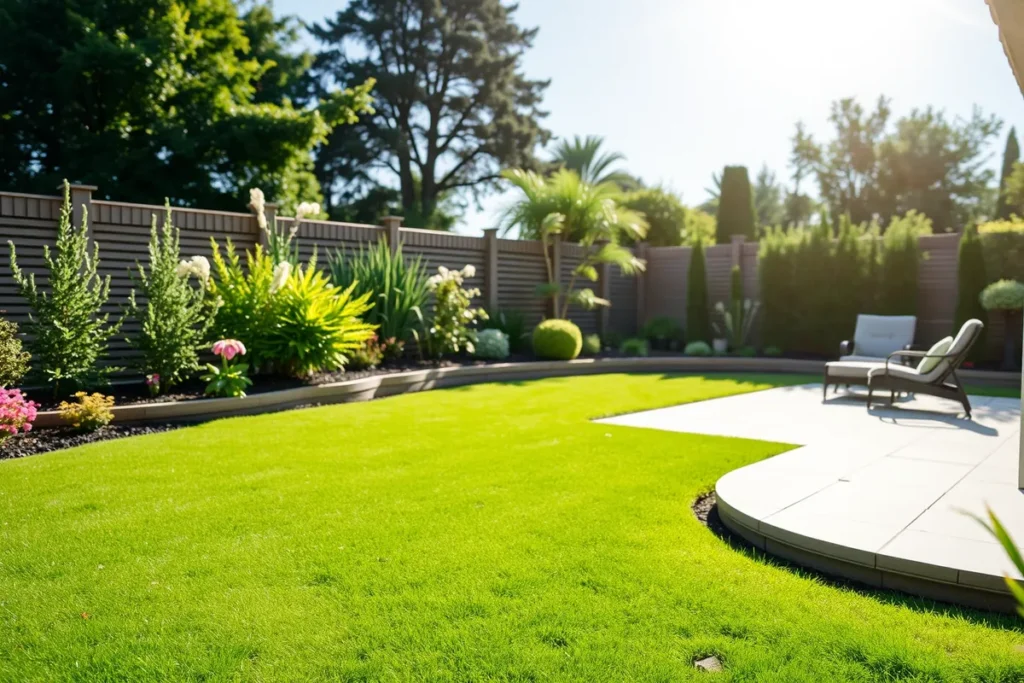
For landscapers, before-and-after galleries are the most persuasive content there is, proving transformations at a glance. Organise by service, use quality paired photos, and keep them fast-loading. It is worth reading alongside Local SEO for Landscapers.
- Transformations sell the work.
- Organise by service type.
- Fast-loading, quality images.
Before-and-after galleries are a landscaper most persuasive asset, because nothing sells a garden or driveway transformation like seeing the before and after side by side. A strong gallery turns researchers into enquiries. This guide covers why galleries matter for landscapers, how to organise them, and how to make them load fast and rank, drawing on professional web design standards for image-heavy pages.
Why Are Galleries So Important for Landscapers?
Because landscaping is visual and aspirational. A before-and-after gallery proves the transformation instantly, which is exactly what an aspirational homeowner wants to see. A homeowner imagining a new garden or driveway is sold by seeing a tired space turned beautiful. No description matches the impact of paired photos. For a visual, discretionary purchase, the gallery is what inspires the homeowner and proves you can deliver their vision.
How Do You Organise Galleries?
Structure them by service so homeowners find relevant work. Organise galleries by service type, such as driveways, patios, and full garden landscaping, so a homeowner sees work like theirs. Someone planning a driveway wants to see driveways, not a mixed feed. Group projects by type, let visitors browse or filter, and feature the relevant gallery on each service page. This helps homeowners find relevant proof and supports your service pages with matching visuals.
How Do You Make Galleries Fast and Rank?
Optimise images and add descriptive detail. Compress images so pages load fast, and add descriptive captions and alt text so they rank. Image-heavy gallery pages can load slowly, which loses visitors and hurts ranking, so optimise every image. Add captions describing the project and location, and descriptive alt text, so the gallery contributes relevance for local project searches. A fast, well-described gallery both converts and helps you rank.
Showcasing Your Work
Before-and-afters
Real transformations prove your quality and inspire customers.
Organise by service
Group work by type so customers find examples relevant to them.
Use it everywhere
Reuse your best work across your site, social and ads.
Why Are Before-and-After Galleries Essential for Landscapers?
Landscaping is intensely visual, so the before-and-after gallery is the single most persuasive asset a landscaper has. Homeowners deciding on a driveway, patio, or garden transformation want to see real results before trusting you with their outdoor space. The contrast between a tired before and a beautiful after demonstrates your ability to deliver the transformation they dream of.
Visual proof answers the homeowner’s core question, can this landscaper create the result I want, more convincingly than any words. A rich gallery of transformations is far more powerful than a list of services. For landscapers, investing in strong before-and-after galleries is the heart of the marketing, because seeing a stunning transformation is what inspires and reassures a homeowner choosing who to entrust with their garden. It is worth reading alongside Google Business Profile for Landscapers.
What Makes a Strong Before-and-After?
A strong before-and-after pairs a clear image of the original, often tired or unremarkable, space with an impressive image of the finished result, taken from the same angle so the transformation is obvious. The contrast tells a story of improvement that resonates with a homeowner’s aspirations for their own space.
- Quality matters: well-lit, well-composed photos of the finished work showcase your craftsmanship, while a genuine, unflattering before makes the transformation more striking.
- Capturing the before image at the start of every project, even when the site looks unpromising, is essential, since you cannot recreate it later.
- For landscapers, compelling before-and-after pairs are the most engaging and convincing content you can produce, so capturing them well on every job is worth the discipline.
How Do You Organise a Gallery for SEO?
Organising the gallery by service type, driveways, patios, garden design, fencing, supports both usability and SEO. Grouping transformations under each service lets visitors find relevant examples and lets you build service-specific pages that rank for those searches. A service-type gallery linked from the matching service page reinforces relevance and depth.
Adding descriptive text, proper image file names, and alt text helps search engines understand the content, since images alone are not readable by search. Linking gallery items to relevant service and area pages strengthens the site structure. For landscapers, a gallery organised by service, with descriptive context and proper image optimisation, serves both the homeowner looking for relevant transformations and the search engines ranking your pages, turning beautiful images into SEO assets.
How Do Galleries Build Trust and Inspire?
Before-and-after galleries do double duty: they inspire homeowners with what is possible and reassure them that you can deliver it. Seeing a transformation similar to what they want both sparks the desire to proceed and provides evidence you have done it before, reducing the perceived risk of the project. Inspiration and trust combine in a single image pair. It is worth reading alongside Service-Area Pages for Landscapers.
A varied gallery showing a range of impressive projects signals an experienced, capable landscaper rather than a risky unknown. Combined with reviews, it forms a complete trust case. For landscapers, the gallery is central to both inspiring the homeowner to dream and reassuring them you can make it real, which is exactly the emotional and practical combination that converts a considered exterior project. It is worth reading alongside Getting Reviews for Landscapers.
How Do You Get Good Project Photography?
Good photography is worth the effort, since poor images undersell beautiful work. Taking clear, well-lit photos at completion, from consistent angles matching the before shots, captures the quality of your transformations properly. For your best projects, professional photography can be worthwhile, given how central the gallery is to winning landscaping work.
- Remembering to capture before images at the start of every project is essential, since they are impossible to recreate once work begins and are easy to forget.
- Getting the homeowner’s permission to use the images is also important.
- For landscapers, building a habit of documenting every project well, before and after, from good angles, steadily builds a powerful gallery, whereas neglecting photography leaves you with weak proof despite excellent work.
How Do You Use Galleries Across Marketing?
Before-and-after content is valuable across all your marketing, not just the website. Striking transformations work powerfully on social media, in ads, and in proposals, where they grab attention and demonstrate quality instantly. Sharing a stunning transformation on Facebook or featuring it in a quote reinforces your capability wherever a homeowner encounters your business. For the method on its own terms, read How to Showcase Before/After Work and Case Studies.
Repurposing gallery content multiplies its value from work you have already documented, and consistent visual proof across channels strengthens your whole presence. For landscapers, a great before-and-after can anchor a social post, illustrate an ad, or impress in a proposal. Treating the gallery as a reusable marketing asset, rather than just website content, extends its persuasive reach across every point where homeowners are deciding whether to choose you. The mechanics behind this are set out in Before-and-After Video Content.
How Many Projects Should a Gallery Show?
A gallery should show enough variety to demonstrate range and quality across your services, without becoming an overwhelming, slow-loading dump of every job. A curated selection of your best, most varied transformations, organised by service, is more persuasive than hundreds of mediocre images. Quality and relevance beat sheer quantity.
Showing a good number of strong examples per service reassures homeowners you have ample experience with their type of project. Retiring weaker images and featuring your best keeps the gallery impressive. For landscapers, the goal is a gallery that is rich enough to prove capability and inspire, yet curated enough to showcase only your best work, so every image a homeowner sees reinforces the impression of quality.
How Do You Keep the Gallery Fresh?
A current gallery signals an active, in-demand landscaper, so adding new transformations regularly keeps it fresh and demonstrates ongoing quality work. A gallery not updated in years suggests a business that has slowed, even if you are busy, so showcasing recent projects maintains the impression of momentum and current standards.
- Periodically refreshing the featured projects, retiring weaker examples, and highlighting your best recent work keeps the gallery strong, especially after each busy season when you have new material.
- Building documentation into every project ensures a steady supply.
- For landscapers, treating the gallery as a living, growing asset, continually adding your latest and best transformations, ensures it keeps inspiring and reassuring homeowners and reflects the quality of a thriving landscaping business.
Last Thoughts on Before-and-After Galleries
For landscapers, before-and-after galleries are the most persuasive thing on the website, because they prove transformations at a glance. Organise them by service so homeowners find work like theirs, use quality paired photos, and keep them fast-loading and well-described. A strong gallery inspires the homeowner and proves you can deliver, turning research into enquiries.
- Galleries are a landscaper most persuasive asset.
- Before-and-after pairs prove the transformation.
- Organise galleries by service type.
- Compress images so pages load fast.
- Add captions and alt text so galleries rank.
Frequently Asked Questions (FAQs)
Why do landscapers need before-and-after galleries?
They prove the transformation at a glance, which is what sells a visual, aspirational purchase like landscaping.
How should I organise galleries?
By service type, such as driveways or patios, so a homeowner sees work like the project they are planning.
What photos work best?
Quality paired before-and-after images that clearly show the transformation, ideally from the same angle.
Do galleries help SEO?
Yes, with captions, alt text, and fast loading, they add relevance and can rank for local project searches.
Why does image size matter?
Large images slow the page, which loses visitors and hurts ranking. Compress every gallery image.
Should galleries link to enquiry?
Yes. Pair the proof with a clear route to a quote so an inspired visitor can act immediately.
How many projects should I show?
Enough to cover each service well. Quality and relevance matter more than sheer quantity.
Should I feature galleries on service pages?
Yes. Show the matching gallery on each service page so homeowners see relevant proof where they research.
Do captions matter?
Yes. Descriptive captions and alt text help the gallery rank and tell the story of each project.
What if my before photos are poor quality?
Make a habit of taking a clear before shot on every job. The before is essential to the gallery impact.