
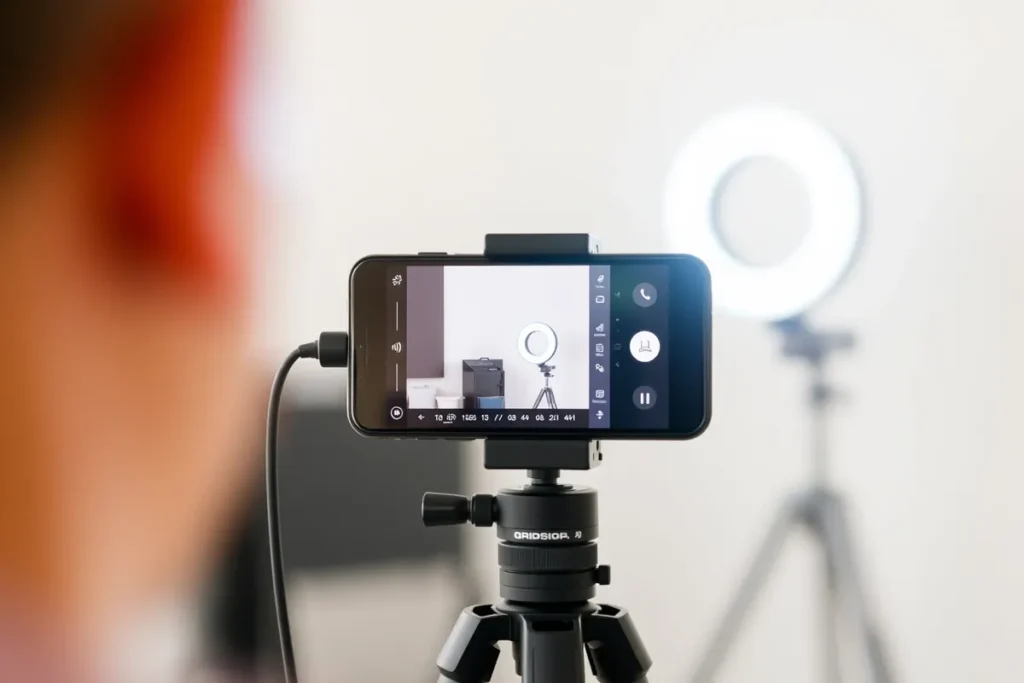
Before-and-after video is the most persuasive content a visual trade can make. The rule is simple: always film the before, match the after shot, build the reveal, then add a hook and a call to action. We cover this separately in What Is UGC Video (User-Generated Content)?
- Film the before every single time.
- Match the angle for the after.
- Add a hook and CTA to make it an ad.
Before-and-after video is the most persuasive content a visual trade can make, because it shows the result rather than claiming it. The whole technique rests on one habit: filming the before, every time. This guide covers why it works, how to capture the before and the after, and how to turn the footage into an ad that books jobs. This applies well beyond one trade, as Before-and-After Galleries for Landscapers explains.
Why Does Before-and-After Work?
It removes doubt by showing the outcome. A before-and-after is undeniable proof, because the viewer sees the transformation with their own eyes. No adjective convinces like a dirty driveway turned spotless or an overgrown garden made tidy. The contrast does the selling, which is why these clips consistently outperform talking-head ads for visual trades.
How Do You Capture the Before?
This is the step most people forget, and the one that matters most. Always film the before you start, from a clear angle in good light. Make it a habit on every job, because you cannot recreate it once the work is done. Note the angle, distance, and lighting so you can match them for the after. A few seconds of before footage is the foundation of the entire ad.
How Do You Capture the After and the Reveal?
The after only works if it matches the before. Film the after from the same angle and in the same light, then build a reveal that contrasts the two. Stand where you stood for the before, frame it identically, and capture the finished result. In the edit, cut between them or transition from one to the other so the change lands hard. Good capture starts with the basics in filming on a phone.
How Do You Turn It Into an Ad?
Raw before-and-after footage becomes an ad with two additions. Add a hook at the start and a clear call to action at the end. Open with a line or caption that sets up the transformation, show the reveal, then tell the viewer what to do next. Use a proven opening from scripts and hooks, and study the formats in UGC ad examples to frame it well.
What Makes UGC Work?
Authentic content
Genuine, phone-shot clips feel real and build trust polished adverts cannot.
Proof & transformation
Real before-and-afters and testimonials prove your results.
Track what converts
Measure engagement and enquiries to make more of what works.
Why Are Before-and-After Videos So Effective?
Before-and-after videos are effective because they show a clear, satisfying transformation that proves your work and captivates viewers. The visual contrast between a problem and its resolution is compelling and shareable, building trust by demonstrating real results. For visual home-services trades, before-and-after video is among the most powerful and engaging UGC, capturing attention and proving capability at once. It is worth reading alongside Editing UGC Videos.
The transformation tells a satisfying, trust-building story instantly. For home-services businesses, before-and-after videos work because they visually prove the value you deliver, the dirty made clean, the worn made new, in a way that engages and reassures. This combination of satisfying watchability and concrete proof makes them highly effective UGC. Capturing and sharing compelling before-and-after videos showcases your results powerfully, building the trust and engagement that convert home-services audiences.
How Do You Capture Strong Before-and-After Video?
You capture strong before-and-after video by filming the before at the start, from a clear angle, and the after from the same angle, both in good light, so the transformation is obvious. Remembering the before, easy to forget once work begins, is essential since it cannot be recreated. Matching angles and good light make the contrast striking and credible.
- Capturing the before and matching angles are the keys.
- For home-services businesses, strong before-and-after video requires the discipline of filming the before before work starts, from an angle you can replicate, and the after from the same viewpoint, both well-lit.
- This makes the transformation clear and compelling.
- Building the habit of capturing matched, well-lit before-and-after footage on every suitable job ensures you have the striking transformation content that powers effective home-services UGC.
How Do You Make the Transformation Compelling?
You make the transformation compelling by maximising the visible contrast, presenting the reveal effectively, and keeping the video engaging and well-paced. Showing a genuinely dramatic before and a satisfying after, with a clear reveal and good pacing, captivates the viewer. The more striking and clearly presented the transformation, the more engaging and persuasive the video.
Contrast, a strong reveal, and good pacing make transformations captivating. For home-services businesses, a compelling before-and-after maximises the contrast between problem and result, presents the after as a satisfying reveal, and keeps the video tight and engaging. Choosing your most dramatic transformations and presenting them well amplifies their impact. Crafting before-and-after video to showcase striking contrast with an effective, well-paced reveal produces the captivating, persuasive content that performs strongly in home-services UGC.
How Do You Use Before-and-After Video to Convert?
You use before-and-after video to convert by sharing it where customers decide, on your site, social media, and ads, paired with an easy way to enquire. The video proves your results and builds trust; converting that requires giving the impressed viewer a clear next step. Placing compelling before-and-afters near contact points turns the proof into enquiries.
Pairing the proof with an easy enquiry path converts the impressed viewer. For home-services businesses, before-and-after video converts when the compelling transformation is shown where customers decide, near enquiry points on the site, in social content, and in ads, with a clear call to action. The video reassures and impresses; the contact path captures the enquiry. Using your strongest before-and-after videos as conversion content, placed where customers act, turns their persuasive proof into home-services leads.
Last Thoughts on Before-and-After Video
Filming the before every time gives you a steady supply of high-converting reveal ads. The technique is simple, but it depends entirely on capturing the before, because the after means nothing without it. Make it a habit on every job, match your shots, and the transformation does the selling for you.
- Before-and-after is the strongest content for visual trades.
- Always film the before, before you start.
- Match the angle and light for the after.
- Build a reveal that contrasts the two.
- Add a hook and a call to action to make it an ad.
Frequently Asked Questions (FAQs)
When should I film the before?
Always before you start the job. It cannot be recreated afterwards, so make it a habit on every job.
What if I forgot the before shot?
Use any photos you have, or skip the reveal format and use job footage or a testimonial instead.
Which trades suit before-and-after?
Most visual ones, such as cleaning, landscaping, restoration, and decorating, where the change is clear.
How do I match the after to the before?
Film from the same spot, angle, and distance, in similar light. Noting these during the before makes it easy.
How long should a before-and-after ad be?
Usually 15 to 30 seconds. Long enough to set up, reveal, and ask, short enough to hold attention.
Photos or video for before-and-after?
Video is more engaging, but photos work too. A video reveal of the transformation tends to perform best.
Do I need editing software?
A simple phone app is enough to cut between the shots, add a caption, and a call to action.
Should I add captions?
Yes. Most people watch on mute, so a caption setting up the transformation helps the message land.
Can I use before-and-afters organically too?
Yes. They perform well as organic posts and Reels as well as paid ads.
How many before-and-afters should I make?
As many as you can capture. A steady supply lets you test and keep the feed fresh.